
Heartworm Testing for Pets: What Virginia Beach Owners Should Know
Heartworm Testing for Pets: What Virginia Beach Owners Should Know
Heartworm disease is a serious health threat for pets living in Virginia Beach and the surrounding areas. If you are a dog or cat owner in our coastal community, understanding heartworm testing is essential to keeping your companion safe and healthy year-round. At Hilltop Veterinary Clinic, located at 1801 Laskin Rd., Virginia Beach, VA 23454, our team of veterinarians is dedicated to providing thorough preventive care, including heartworm screening as part of your pet’s wellness routine. In this blog, we will explore why heartworm testing matters, how the process works, the risks in our region, and the steps you can take to protect your pet. You will also find guidance on when to seek veterinary care and how Hilltop Veterinary Clinic supports local pet owners with trusted heartworm prevention.
To help you make informed decisions, we will cover the signs of heartworm disease, why annual testing is so important for both dogs and cats, what to expect during a heartworm test, and how prevention can safeguard your pet’s long-term health. If you are curious about heartworm testing or have questions about your pet’s risk, you are not alone. Let’s take a closer look at what every Virginia Beach pet owner should know.
Recognizing the Signs: When Heartworm Testing Is Needed
Early detection is crucial when it comes to heartworm disease. Unfortunately, the early stages often present few or no obvious symptoms, especially in dogs. Many pet owners are unaware their dog or cat may be infected until the disease has progressed. In dogs, subtle signs to watch for include a mild persistent cough, fatigue after moderate activity, decreased appetite, and gradual weight loss. As heartworm disease advances, you may notice swelling in the abdomen due to fluid accumulation, reluctance to exercise, or even signs of heart failure.
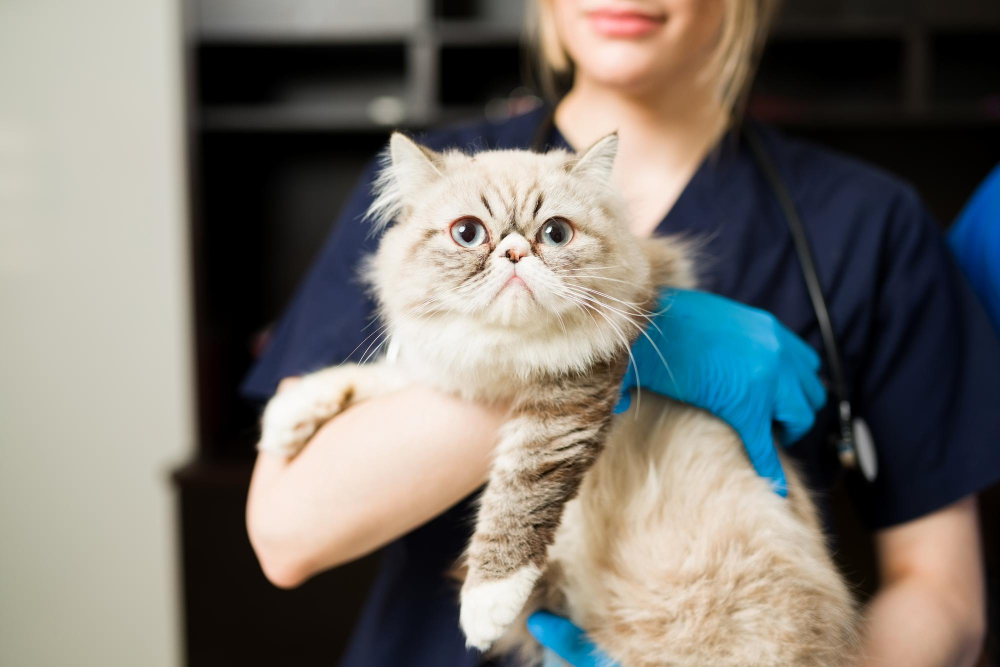
Cats can be affected by heartworm disease as well, though their symptoms are often more subtle or mistaken for other conditions. Cats might exhibit coughing, asthma-like attacks, vomiting, or loss of appetite. Sudden collapse or even sudden death can occur in severe cases, making regular heartworm testing a critical tool for early detection in both species.
Since symptoms may take months to develop or may never be obvious, annual heartworm testing is recommended for all dogs and is also important for cats, especially those that spend any time outdoors. Even indoor pets are not immune; mosquitoes, the carriers of heartworm larvae, can easily enter homes, putting all pets at risk.
Understanding Heartworm Disease in Virginia Beach
Heartworm disease is caused by a parasitic worm called Dirofilaria immitis, which is transmitted through the bite of an infected mosquito. Virginia Beach’s warm, humid climate and abundant bodies of water create an ideal environment for mosquitoes virtually year-round, increasing the risk for both dogs and cats in our area.
After a mosquito infects a pet, the tiny larvae migrate through the bloodstream, eventually settling in the heart, lungs, and associated blood vessels. Over time, these worms grow and multiply, causing damage to vital organs. As the infestation worsens, it becomes increasingly difficult and dangerous to treat.
The prevalence of heartworm disease in southeastern Virginia is higher than in many other parts of the country. The American Heartworm Society reports that our region sees a steady presence of heartworm-positive cases, making routine heartworm testing a non-negotiable part of responsible pet ownership. Preventive medication greatly reduces risk, but no prevention is 100 percent effective. That is why annual testing, even for pets on prevention, is essential.
How Heartworm Testing Works at Hilltop Veterinary Clinic
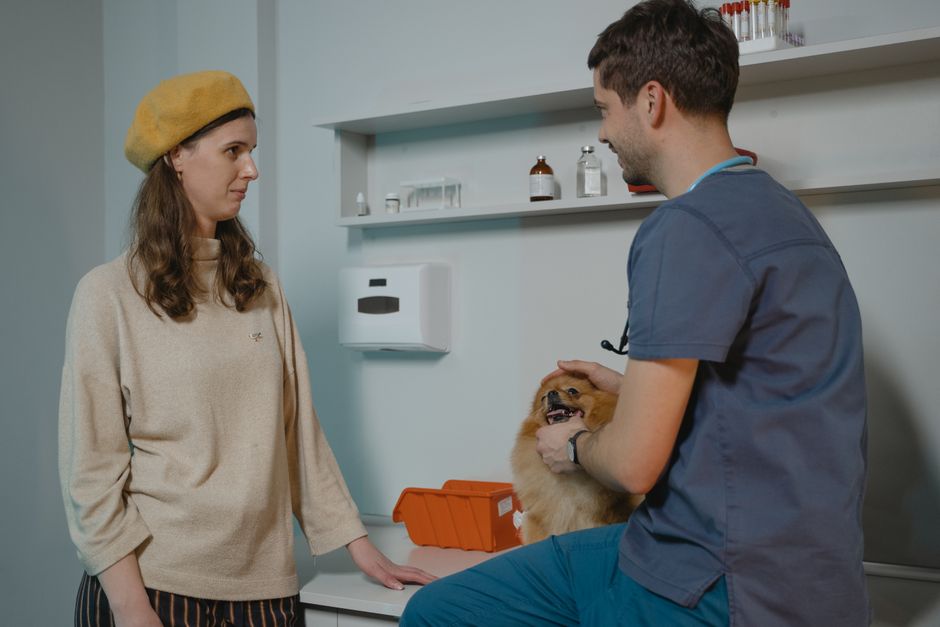
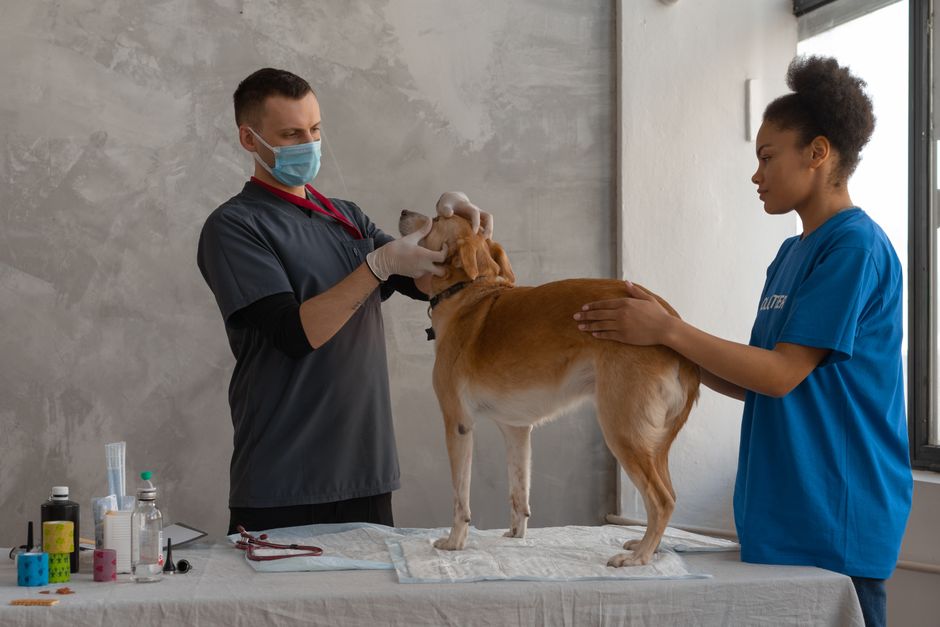
When you bring your pet for a heartworm test at Hilltop Veterinary Clinic, the process is straightforward and minimally stressful for your companion. For dogs, heartworm testing involves a simple blood sample, often performed during a wellness examination or annual checkup. Our veterinary team uses a highly sensitive test to detect the presence of heartworm proteins, known as antigens, which are produced by adult female heartworms.
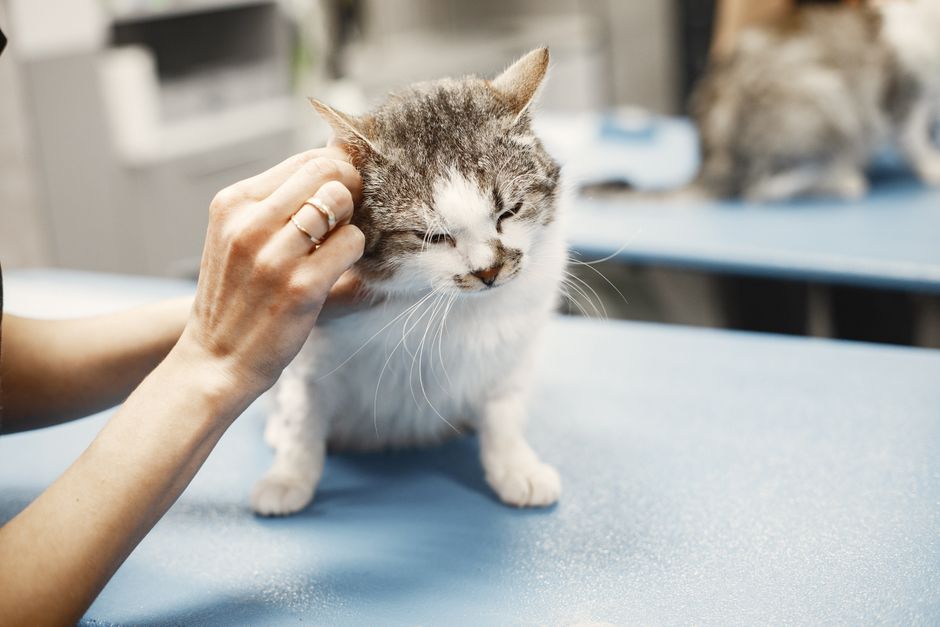
In cats, heartworm testing is a bit more complex because they tend to have fewer adult worms and may not always produce detectable levels of antigen. For this reason, our veterinarians may recommend both antigen and antibody tests to look for signs of exposure or infection. This dual approach helps ensure that even low-level or early infections are not missed.
The entire procedure is quick, and results are typically available within the same visit. If your pet is found to be negative for heartworm disease, we will discuss continuing or initiating a preventive medication program tailored to your pet’s lifestyle and exposure risk. If a positive result is detected, further diagnostic testing such as diagnostic laboratory work or imaging may be needed to determine the extent of the infection and to plan for appropriate treatment or management.
Treatment and What to Expect If Your Pet Tests Positive
A positive heartworm test can be distressing, but timely intervention can make a significant difference. In dogs, treatment involves a multi-step protocol, beginning with medications to stabilize your pet’s condition and reduce the risk of complications. The main treatment uses an injectable medication that kills adult heartworms, followed by additional medications to target larvae and manage inflammation.
During treatment, strict exercise restriction is critical to minimize the risk of heart or lung complications as the worms die off and are broken down by the body. Recovery may take several months, and our veterinarians will provide detailed guidance and support throughout the process.
Treating heartworm disease in cats is more challenging, as there is no approved medication to eliminate adult heartworms in felines. Instead, our approach focuses on supportive care, managing symptoms, and monitoring the cat’s health closely. Preventing infection in the first place is especially important for cats because of the limited treatment options available.
It is important to note that heartworm treatment can be costly and carries some risks, especially in advanced cases. This is why prevention and regular heartworm testing are so strongly emphasized by veterinary professionals.
The Power of Prevention: Protecting Your Pet at Home
Preventing heartworm infection is much easier, safer, and less expensive than treating established disease. At Hilltop Veterinary Clinic, we recommend that all dogs and cats, regardless of their lifestyle, remain on year-round heartworm preventive medication. Preventives are available in a variety of forms, including monthly chewable tablets, topical treatments, and long-acting injections for dogs.
Your veterinarian will help you select the product that best fits your pet’s needs and will provide instructions on proper administration. Consistency is key, as missing even a single dose can leave your pet vulnerable to infection. Along with prevention, annual heartworm testing is necessary to ensure the medication is working and to catch any breakthrough infections early.
Mosquito control at home can also help reduce risk. Keep screens in good repair, eliminate standing water around your property, and avoid dusk or dawn walks when mosquitoes are most active. However, because mosquitoes are so prevalent in Virginia Beach, these steps cannot replace the need for veterinary-guided prevention and regular heartworm testing.
When to Schedule a Heartworm Test for Your Pet
Knowing when to schedule heartworm testing for your pet is vital. Dogs should be tested annually, even if they are on preventive medication year-round. Puppies can start on prevention as early as eight weeks of age, but should have their first test at seven months, as this allows enough time for any infection acquired before starting prevention to be detected.
Cats, especially those with outdoor access, benefit from regular screening, and your veterinarian will recommend a testing schedule based on your cat’s risk factors and lifestyle. Testing should also be performed any time there is a lapse or missed dose in preventive medication, or if your pet exhibits symptoms suggestive of heartworm disease.
If you are new to Virginia Beach or have recently adopted a pet with an unknown preventive history, schedule a heartworm test as soon as possible. Our physical exams are an ideal opportunity to discuss your pet’s heartworm risk and prevention plan with our veterinary team.
Why Heartworm Testing Matters for Virginia Beach Pets
The warm, mosquito-friendly climate of Virginia Beach means heartworm disease is a year-round threat, not just a seasonal issue. Even pets that rarely venture outdoors can be exposed. Annual heartworm testing gives you peace of mind, ensuring your pet remains protected and allowing for prompt intervention if infection is detected.
By working with the veterinarians at Hilltop Veterinary Clinic, you are taking a proactive step in safeguarding your pet’s health and wellbeing. Regular testing, combined with consistent prevention and ongoing communication with your veterinary team, offers the best possible defense against heartworm disease.
Take the Next Step: Keep Your Pet Safe with Heartworm Testing
Your pet’s health and happiness are our top priorities at Hilltop Veterinary Clinic. If you have questions about heartworm disease, need to update your pet’s prevention, or would like to schedule a heartworm test, our team is here to help. We welcome new and returning pet owners from Virginia Beach and surrounding communities, offering comprehensive care for dogs and cats at every stage of life.
To schedule your pet’s heartworm testing or a wellness examination, call us at (757) 425-2011 or visit us at 1801 Laskin Rd., Virginia Beach, VA 23454. When searching for a vet near me, choose a team committed to keeping your pet healthy and safe in our unique coastal environment. We look forward to partnering with you for a lifetime of wellness and preventive care.