

Monday to Friday 8 AM - 6 PM
Saturdays 8 AM - 1 PM
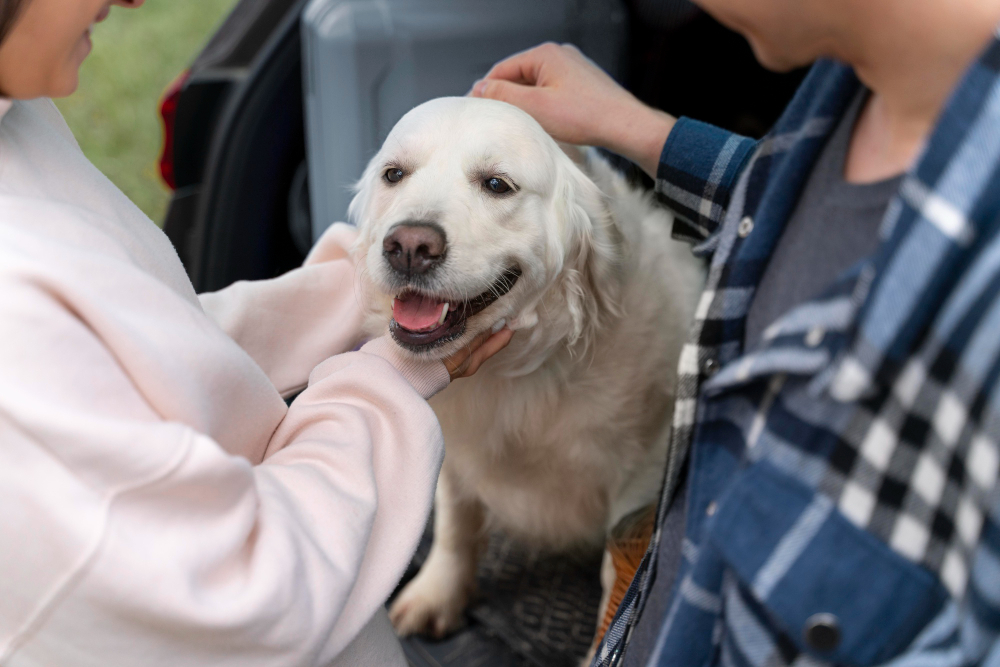
A bloated stomach in dogs can be a serious and sometimes life-threatening condition. While mild abdominal swelling can occasionally be caused by overeating or gas, sudden or severe bloating should never be ignored.
In some cases, a bloated abdomen may indicate gastric dilatation-volvulus (GDV), also known as bloat, which requires immediate emergency care. Recognizing the signs early can save your dog’s life.
Abdominal bloating can be caused by a variety of conditions, ranging from mild to severe. Common causes include:
Some causes are mild, while others require urgent medical attention.
A bloated stomach can become dangerous very quickly, especially if GDV is involved.
You should seek immediate care if your dog:
If you suspect bloat (GDV), this is a life-threatening emergency and requires immediate veterinary care.
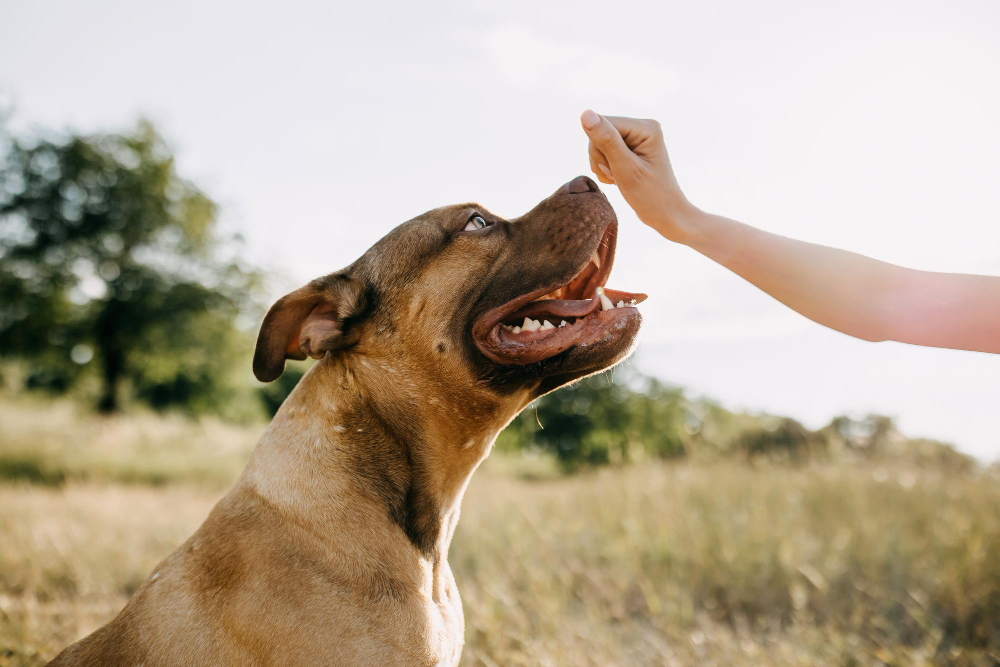
We evaluate abdominal bloating quickly to determine the underlying cause and severity.
Diagnostics may include:
Rapid diagnosis is critical, especially in emergency cases.
Treatment depends on the cause and severity of the bloating.
Common treatments may include:
Severe cases may require immediate referral or hospitalization.
A bloated stomach is not something to wait on. If your dog’s abdomen looks swollen or they are showing signs of distress, it’s best to seek care immediately. Hilltop Veterinary Clinic serves pets and families in Virginia Beach and surrounding areas.