
Heartworm Testing: Why Virginia Beach Pets Need It Year-Round
Heartworm Testing: Why Virginia Beach Pets Need It Year-Round
Heartworm disease is one of the most serious and preventable threats to the health of dogs and cats in Virginia Beach. As a pet owner, you want to do everything possible to protect your furry family member from this life-threatening parasite. At Hilltop Veterinary Clinic, our veterinarians in Virginia Beach are dedicated to helping you understand why regular heartworm testing is essential for your pet’s health, no matter the season. In this blog, you’ll discover what heartworm testing involves, why it’s especially critical in our local climate, what to expect during your pet’s appointment, and how prevention and timely testing can give your dog or cat the best chance at a long, healthy life.
As a comprehensive general practice, Hilltop Veterinary Clinic provides everything from wellness exams and vaccinations to advanced diagnostic services, making us your trusted source for heartworm testing and prevention in Virginia Beach and surrounding communities. Let’s explore why year-round vigilance is the key to keeping your pet safe.
Recognizing the Risk: Why Heartworm Testing Matters for Your Pet
Heartworm disease is caused by a parasitic worm, Dirofilaria immitis, which is transmitted by mosquitoes. When a mosquito bites an infected animal and then bites your pet, it can transfer heartworm larvae directly into your dog or cat’s bloodstream. Over time, these larvae mature and settle in the heart and lungs, leading to serious, often fatal health issues if left untreated.
In Virginia Beach, the warm, humid climate means mosquitoes are active for much of the year. This extended mosquito season increases your pet’s risk of exposure, making heartworm prevention and regular testing a necessity, not just a seasonal concern. Even pets who spend most of their time indoors can be at risk, as mosquitoes can easily find their way inside homes.
Dogs are natural hosts for heartworms, so they are at the highest risk, but cats are also susceptible and may develop severe symptoms even with a lower number of worms. Because the early stages of heartworm disease are often silent, most pets show no outward signs until the disease has progressed. This makes routine heartworm testing at your veterinary clinic the most reliable way to catch the disease before it causes irreversible damage.
Heartworm Disease: What Puts Virginia Beach Pets at Risk?
Living in Virginia Beach means enjoying mild winters, long springs, and humid summers. While this climate is great for outdoor adventures with your dog or relaxing at home with your cat, it also creates a perfect environment for mosquitoes to thrive throughout much of the year. As a result, local pets face ongoing heartworm risk.
Several factors can increase your pet’s exposure to heartworms. These include spending time outdoors, living near marshes or areas with standing water, and inconsistent use of heartworm preventives. Even a single missed dose of preventive medication can leave your dog or cat vulnerable. Additionally, because heartworm larvae can take months to mature, infections acquired in warmer months may not show up on tests until later. This is why veterinarians recommend year-round heartworm testing and prevention, regardless of the season or your pet’s lifestyle.
Both dogs and cats benefit from routine testing. In dogs, heartworms can grow to several inches in length, clogging the heart and major blood vessels. Symptoms include coughing, fatigue after exercise, labored breathing, and weight loss as the disease progresses. In cats, signs are often more subtle or can mimic other illnesses, such as vomiting, coughing, or sudden collapse. Because heartworm infections in cats are harder to detect and treat, prevention and regular veterinary exams are especially important.
What Happens During Heartworm Testing at Hilltop Veterinary Clinic?
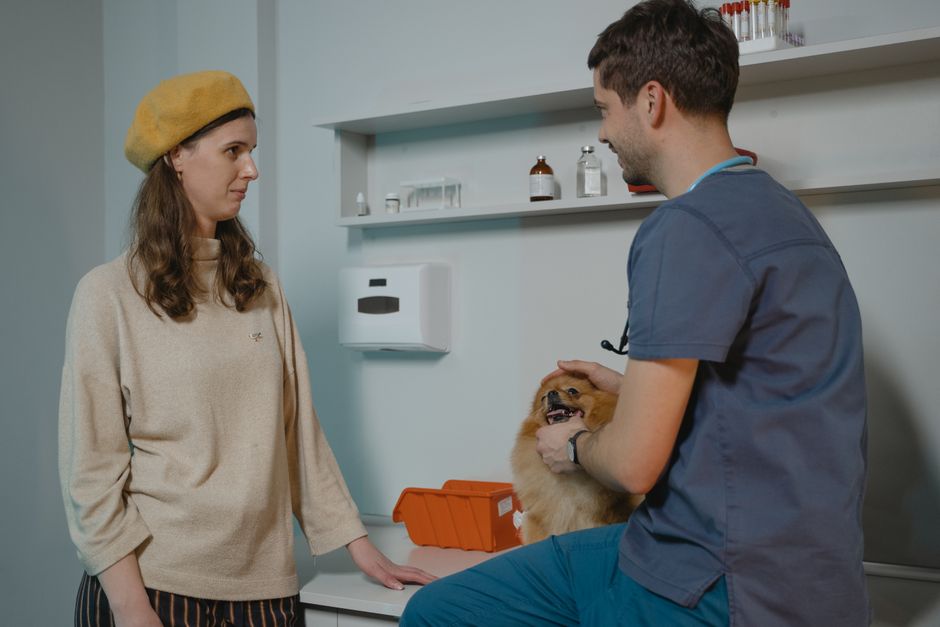
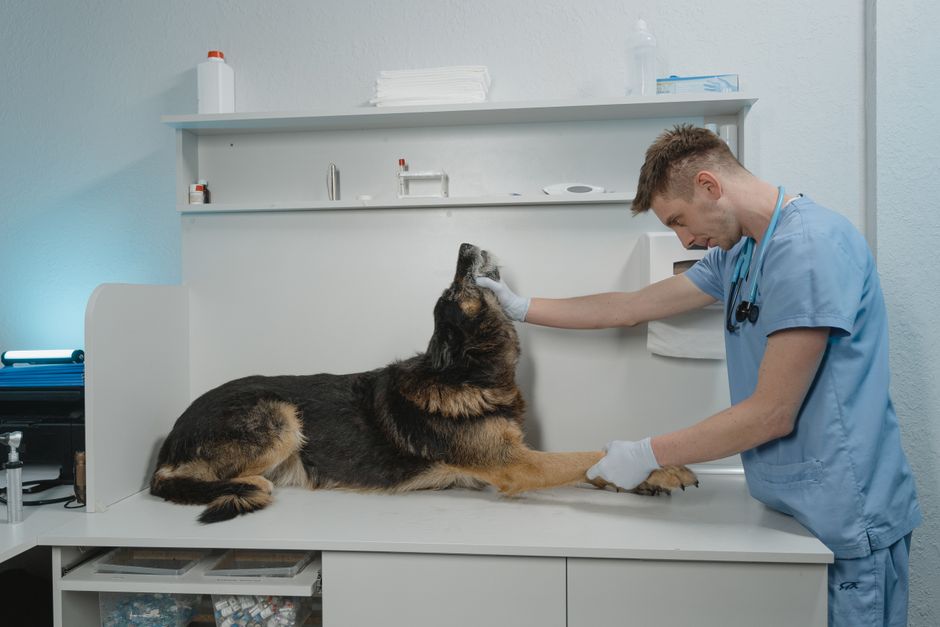
When you schedule heartworm testing for your pet at Hilltop Veterinary Clinic, you can expect a thorough, stress-free experience tailored to your dog or cat’s needs. During your wellness examination, one of our veterinarians will review your pet’s medical history and discuss any changes in behavior or health you’ve noticed.
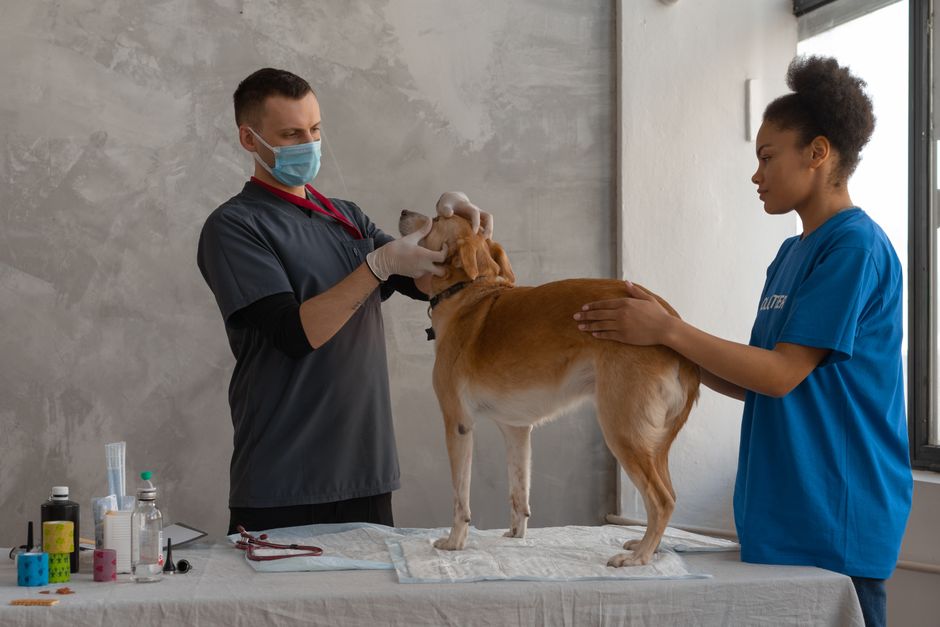
For dogs, heartworm testing typically involves a simple blood sample. This sample is analyzed in our in-house diagnostic laboratory using a test that detects the presence of heartworm proteins, called antigens, produced by adult female heartworms. Results are often available quickly, allowing us to discuss next steps with you during the same visit.
Cats require a slightly different approach, as heartworms are less likely to reach adulthood in felines. Testing may include both antigen and antibody tests to increase the chances of detecting an infection. Our veterinary team will recommend the most appropriate testing protocol based on your cat’s risk factors and health history.
If your pet’s test is negative, we will review your heartworm prevention plan and recommend year-round preventive medication to keep them safe. In the rare event that a test is positive, we’ll discuss treatment options and additional diagnostics to determine the best course of action for your pet’s health.
Managing Heartworm Disease: Treatment and Recovery
If heartworm testing reveals that your dog is infected, prompt treatment is critical to prevent further damage. Treating heartworm disease in dogs involves a series of carefully timed injections to kill adult worms, as well as medications to manage inflammation and reduce the risk of complications. During this process, strict exercise restriction is essential, since increased activity can exacerbate the condition and increase the risk of complications such as embolism.
Our veterinary professionals at Hilltop Veterinary Clinic will guide you through each step of the treatment plan, closely monitoring your dog’s progress and providing supportive care throughout recovery. Treatment can be lengthy and costly, but it offers the best chance for your pet to return to a healthy, active life.
For cats, there is currently no approved drug treatment for heartworm infection. Management focuses on supportive care to alleviate symptoms and, in some cases, medications to help control inflammation in the lungs. Because of this, prevention and regular testing are even more important for cats than for dogs.
Regardless of species, a positive heartworm test can be overwhelming for pet owners. Our compassionate veterinary team is here to answer all your questions, explain each step of the process, and provide the highest standard of care for your pet.
Prevention Is the Best Medicine: Protecting Your Pet Year-Round
The good news is that heartworm disease is almost entirely preventable with regular use of prescription heartworm preventives and routine heartworm testing. At every wellness exam, we review your pet’s prevention plan and provide recommendations tailored to their lifestyle, age, and risk factors.
Monthly oral or topical preventives are highly effective when given as prescribed. Even if your pet is on a preventive, annual testing is still necessary because no medication is 100 percent effective and lapses can occur. In Virginia Beach, the year-round presence of mosquitoes means that skipping even one month of prevention can leave your pet susceptible to infection.
In addition to medication, reducing your pet’s exposure to mosquitoes can help lower the risk of heartworm transmission. Keeping your dog indoors during peak mosquito activity, using screens on windows and doors, and eliminating standing water around your home are practical steps you can take.
Our veterinary team is always available to help you choose the best preventive products for your dog or cat and to answer any questions about heartworm disease. We are committed to making heartworm prevention easy and accessible, so your pet can enjoy a long and healthy life in Virginia Beach.
When Should You Schedule Heartworm Testing for Your Pet?
It’s important to schedule heartworm testing for your dog or cat at least once a year, even if they are taking monthly preventives. Puppies and kittens should start heartworm prevention as early as possible, with testing and preventive care becoming a part of their routine veterinary visits.
If you have recently adopted a pet, missed a dose of medication, or are unsure of your pet’s prevention history, contact Hilltop Veterinary Clinic to discuss when to schedule the next heartworm test. Our physical exam services include a thorough assessment of your pet’s overall health, which is a perfect opportunity to discuss heartworm prevention and testing.
You should also reach out to your veterinarian if your dog or cat displays symptoms such as persistent coughing, unexplained fatigue, difficulty breathing, or sudden weight loss. These signs could indicate advanced heartworm disease or another serious health issue that requires prompt attention.
Our team at Hilltop Veterinary Clinic is here to provide the guidance and care you need to protect your pet from heartworm disease at every stage of life.
Trust Hilltop Veterinary Clinic for Heartworm Testing in Virginia Beach
Year-round heartworm testing and prevention are the foundation of a healthy life for your dog or cat in Virginia Beach. With our extended mosquito season and the serious risks posed by heartworm disease, making heartworm testing a regular part of your pet’s wellness routine is one of the most important steps you can take as a responsible owner.
At Hilltop Veterinary Clinic, we understand how much your pet means to you. Our veterinarians are proud to serve families throughout Virginia Beach and surrounding communities, offering comprehensive veterinary care tailored to your pet’s unique needs. If you’re searching for a veterinarian near me who prioritizes prevention, education, and compassionate care, our team is here to help.
To schedule your pet’s heartworm testing appointment or to learn more about our heartworm testing services, call us at (757) 425-2011 or visit our conveniently located clinic at 1801 Laskin Rd., Virginia Beach, VA 23454. Our veterinary professionals look forward to partnering with you to keep your pet healthy, happy, and heartworm-free all year long.
This article is for informational purposes only and is not a substitute for professional veterinary advice. Always consult your veterinarian for specific recommendations regarding your pet’s health.