
Keeping Pets Cool and Safe During Virginia Beach August Heat
Keeping Pets Cool and Safe During Virginia Beach August Heat
August in Virginia Beach brings long days of sunshine, high humidity, and soaring temperatures. While this makes for great beach weather, it can create serious risks for your dog or cat. Many pet owners worry about how to keep their pets comfortable and healthy during the hottest part of the summer, especially when the heat is relentless and afternoon thunderstorms are frequent. At Hilltop Veterinary Clinic, located at 1801 Laskin Rd., Virginia Beach, VA 23454, our team of veterinarians understands just how challenging August can be for pets and their families. In this post, we will discuss the signs of heat-related illness, why pets are at higher risk during local heat waves, the steps you can take at home to protect your furry friend, and how our veterinary professionals can help if your pet is struggling with the summer conditions. Whether you live near Hilltop, Great Neck, or Chic’s Beach, we are here to help you keep your pet safe and cool all season long.
Recognizing the Signs: How Heat Affects Dogs and Cats
When the August heat sets in, pets are especially vulnerable to conditions like heatstroke, dehydration, and weather-related anxiety. Dogs and cats cannot sweat the way people do; instead, they rely on panting and limited sweat glands in their paws to release heat. Warning signs of heat-related illness in dogs often include excessive panting, drooling, red or pale gums, weakness, vomiting, diarrhea, confusion, or collapse. For cats, symptoms can be more subtle and may involve rapid breathing, lethargy, drooling, restlessness, or hiding in unusual places.
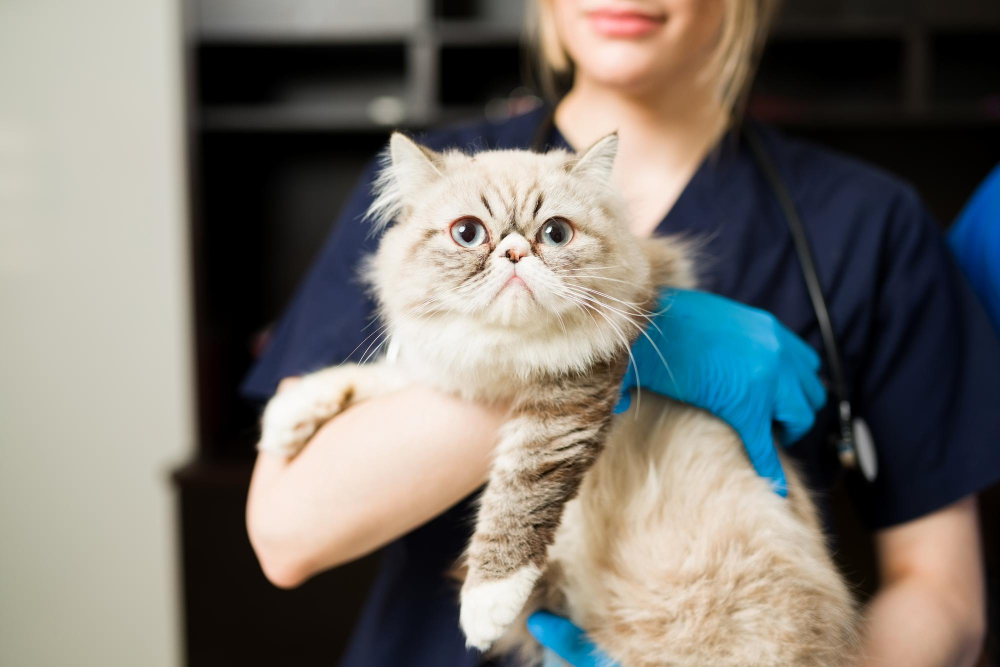
It is important to remember that some pets are more at risk than others. Brachycephalic breeds such as Bulldogs, Pugs, and Persian cats have a harder time cooling themselves due to their short snouts. Older animals, puppies and kittens, and pets with chronic health conditions also have a higher chance of developing complications from the heat. Even healthy pets can struggle when the humidity climbs, as their bodies become less efficient at cooling off.
Thunderstorms, which are common in Virginia Beach summers, can add another layer of stress. Many pets show anxiety during storms, displaying symptoms such as shaking, pacing, vocalizing, hiding, or destructive behavior. These signs can worsen if your pet is already feeling unwell from the heat.
Why the Virginia Beach Climate Puts Pets at Risk
Virginia Beach’s August weather is a mix of high temperatures, heavy humidity, and frequent rainstorms. On many days, the heat index can climb well above 90 degrees, making it challenging for pets to cool off after even a brief walk outside. Humidity increases the risk because it slows the evaporation of moisture from panting, making it much harder for your pet to regulate their body temperature.
Local conditions also mean that shaded areas can feel much warmer than they appear, and pavement or sand can become dangerously hot. For pets with thick or dark coats, the risk of overheating increases even further. In addition to heat, sudden storms can trigger anxiety and create unsafe situations for pets left outdoors or in unsecured areas.
Urban environments, like many neighborhoods in Virginia Beach, may have less green space and more concrete, which absorbs and radiates heat well into the evening. This means pets can be at risk not only during midday but also later in the day when the ground is still warm.
Veterinary Care and Support for Heat-Related Illness
If your pet shows any signs of overheating or heatstroke, immediate veterinary attention is essential. At Hilltop Veterinary Clinic, our team of veterinarians is trained to recognize and treat heat-related illness quickly and effectively. Common approaches to treatment involve lowering your pet’s body temperature safely, administering intravenous fluids for dehydration, monitoring organ function, and addressing complications such as shock or kidney injury.
We also help pet owners address storm anxiety, which can cause pets to panic or injure themselves. Depending on your pet’s needs, our veterinary professionals may recommend behavioral strategies, calming pheromone products, or in some cases, prescription medications to help keep your dog or cat safe during summer storms.
Routine wellness care is another crucial aspect of summer safety. Regular checkups help us screen for conditions that can make your pet more vulnerable to heat, such as heart disease, respiratory issues, or obesity. If you are due for a wellness examination, scheduling one before the next heatwave can give you peace of mind and help us develop a personalized summer safety plan for your pet.
Practical Tips for Keeping Your Pet Cool and Comfortable
Taking action at home can make all the difference during the Virginia Beach summer. Start by providing plenty of fresh, cool water and changing it frequently throughout the day. Make sure your dog or cat has access to shaded, well-ventilated areas both indoors and outdoors. For dogs, limit walks to early morning or late evening hours when the pavement is cool and the sun is less intense.
Never leave your pet in a parked car, even for a few minutes. Temperatures inside vehicles can rise rapidly, putting your pet at risk for heatstroke or worse. If you must transport your pet, ensure the car is well-ventilated and air-conditioned.
Grooming also plays a role in summer comfort. Regular brushing helps remove excess fur and prevent matting, which can trap heat. However, avoid shaving your pet unless our veterinary team recommends it, as fur provides natural protection against sunburn and overheating.
When storms are in the forecast, prepare a safe space for your pet indoors. Close windows and curtains, play calming music or white noise, and stay nearby to offer comfort. For pets with severe storm anxiety, ask our veterinarians about additional strategies that may help.
If you are concerned about your pet’s hydration, a wellness exam can provide guidance on the best diet, supplements, or hydration aids for your dog or cat.
When to Seek Veterinary Attention
Knowing when to call the veterinary clinic can save your pet’s life. If your dog or cat is panting heavily, vomiting, refusing water, acting lethargic, or showing signs of confusion or collapse, contact our team immediately. Heatstroke can progress quickly and is a true emergency. Even if your pet seems to recover after cooling down, it is important to schedule an evaluation to check for hidden complications.
For storm anxiety, seek help if your pet’s fear leads to destructive behavior, self-injury, or significant distress that disrupts daily life. Our veterinarians can work with you to develop a customized plan that keeps your pet safe and happy all summer.
Remember, preventive care is the best defense. Schedule a wellness examination or ask about our routine health screenings if you are unsure about your pet’s risk factors heading into the August heat.
Keeping Pets Safe All Summer: Your Local Veterinary Resource
Your pet’s safety and comfort during the Virginia Beach summer is our top priority at Hilltop Veterinary Clinic. With the right knowledge and support, you can enjoy the best parts of the season while protecting your dog or cat from heat-related risks and storm anxiety. If you are searching for a veterinarian near me who truly understands the unique challenges of our local climate, our caring veterinary team is here to help.
To discuss summer safety strategies or schedule an appointment, call us at (757) 426-4698 or visit our practice at 1801 Laskin Rd., Virginia Beach, VA 23454. You can also explore all of our veterinary services online. Our veterinarians are committed to keeping Virginia Beach pets healthy, happy, and safe—no matter how high the temperature climbs.
This blog provides general information for educational purposes only and does not replace professional veterinary advice. If you have concerns about your pet’s health, please contact your veterinarian directly.