
PU Surgery for Cats: What Pet Owners Should Know
PU Surgery for Cats: What Pet Owners Should Know
If your cat has faced the frightening challenge of a urinary blockage, you are not alone. Feline lower urinary tract disease can be distressing for both cats and their families, especially when blockages recur. For many pet owners in Virginia Beach, the search for answers often leads to questions about PU surgery in cats—what it involves, when it is needed, and how it can offer a new lease on life for cats with chronic urinary issues. At Hilltop Veterinary Clinic, located at 1801 Laskin Rd., Virginia Beach, VA 23454, our veterinary team is dedicated to guiding you through every step of the process, from initial diagnosis to a smooth recovery at home. This comprehensive guide explains what PU surgery is, why your cat might need it, what to expect before, during, and after the procedure, and how our caring professionals support both you and your cat at every stage. We will also address common concerns and highlight how our team at Hilltop Veterinary Clinic provides thorough, compassionate care for cats and their families in Virginia Beach and surrounding communities. If you are searching for answers about PU surgery cat procedures, you have come to the right place.
Recognizing the Signs: When Does Your Cat Need Help?
Urinary blockages are not only uncomfortable for cats; they can quickly become life-threatening if not treated promptly. As a pet owner, it is crucial to recognize the warning signs so you can seek help right away. Common symptoms that may indicate a urinary blockage include straining to urinate, producing only a few drops of urine or none at all, crying out in pain when attempting to use the litter box, excessive licking of the genital area, and visible discomfort or restlessness. Some cats may start to urinate outside the litter box, hide from family members, or appear lethargic and weak. In more severe cases, vomiting and a loss of appetite can develop as toxins build up in the body.
If you notice any of these warning signs, it is important to contact your veterinarian immediately, as urinary blockages can escalate rapidly. For male cats, the risk is especially high due to their narrower urethra, making them more prone to dangerous obstructions. Early intervention can make a significant difference in your cat’s recovery and overall health.
Understanding Urinary Blockages in Cats
A urinary blockage occurs when the urethra—the tube that carries urine from the bladder out of the body—becomes obstructed. The blockage is often caused by mineral crystals, mucus plugs, or urinary stones. Male cats are particularly vulnerable, as their urethra is long and narrow, making it easier for debris to become lodged and create a dangerous obstruction.
Several factors contribute to the development of blockages, including genetics, diet, hydration, stress, and underlying medical conditions such as feline idiopathic cystitis. Indoor cats, overweight cats, and those on diets high in magnesium or lacking moisture are often at greater risk. Some cats may also have anatomical predispositions that make them more susceptible to recurring blockages. For many families, repeated blockages can be incredibly stressful and may lead to questions about whether surgical intervention is the right choice.
PU Surgery Cat: What Is It and How Does It Help?
Perineal urethrostomy (PU) surgery is a specialized surgical procedure designed to help cats that experience recurrent or severe urinary blockages. During the procedure, a veterinary surgeon removes the narrow portion of the urethra near the penis and creates a new, wider opening below the anus. This change helps prevent future obstructions by allowing crystals and debris to pass more easily, reducing the risk of another life-threatening blockage.
At Hilltop Veterinary Clinic, our experienced veterinary professionals perform PU surgery with great attention to detail and compassion. The procedure is generally recommended for cats who have had multiple urinary blockages despite medical management, or in cases where the blockage cannot be relieved through less invasive methods. The goal of PU surgery cat treatment is to provide long-term relief, allowing your cat to live a more comfortable and healthier life.
If you are interested in learning more about the procedure itself, you can find a detailed explanation of Perineal Urethrostomy in Cats on our website.
What to Expect Before, During, and After PU Surgery
Before surgery, your cat will undergo a thorough examination and diagnostic workup to ensure they are a good candidate for the procedure. This may include bloodwork, urinalysis, and imaging studies such as radiographs. Your veterinarian will review any previous episodes, discuss your cat’s medical history, and answer your questions about the surgery and recovery process.
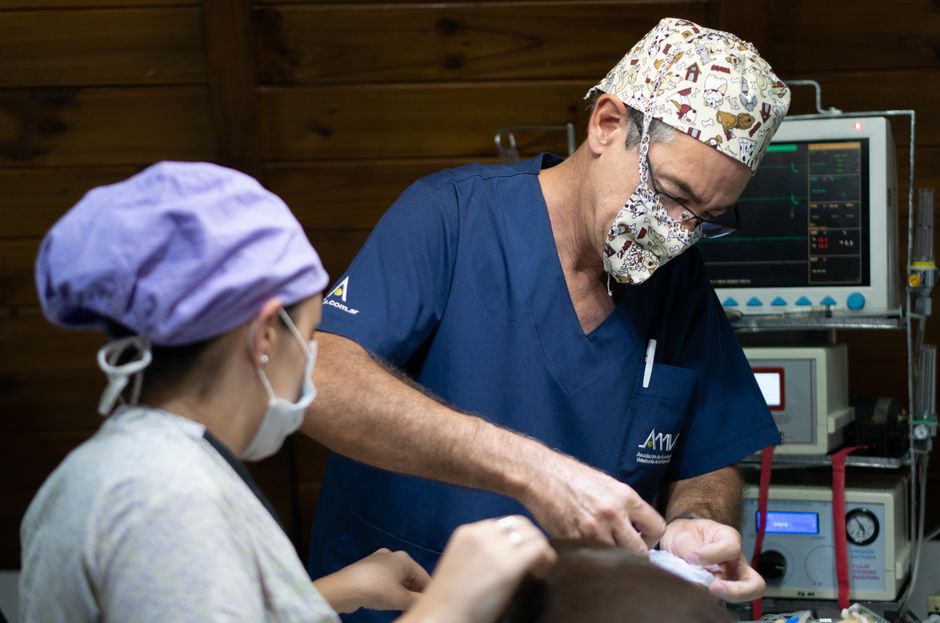
On the day of the procedure, your cat will be placed under general anesthesia. The surgical area is prepared, and the new urethral opening is created with care to minimize trauma and promote optimal healing. Most cats are able to return home within a few days, depending on their recovery progress and any additional medical needs.
Post-surgical care at home is vital for a smooth recovery. Your veterinarian will provide detailed instructions, which often include keeping your cat calm and confined to a small, clean space, monitoring the surgical site for signs of swelling or infection, and administering prescribed medications for pain relief and infection prevention. An Elizabethan collar (cone) may be necessary to prevent licking or biting at the incision. Follow-up visits are essential to ensure proper healing and to address any concerns you may have during your cat’s recovery.
Home Care and Prevention: Supporting Your Cat After PU Surgery
While PU surgery cat procedures significantly reduce the risk of future blockages, ongoing home care plays a key role in keeping your cat healthy. Encouraging your cat to stay hydrated is extremely important; many cats benefit from wet food diets, water fountains, or multiple water bowls placed throughout your home. Your veterinarian may recommend dietary modifications to lower the risk of crystal formation, such as prescription urinary diets. Additionally, maintaining a stress-free environment, providing routine playtime, and keeping litter boxes clean and easily accessible can help support urinary health.
Monitoring your cat for any changes in urination habits is crucial, even after surgery. If you notice blood in the urine, straining, or any signs of discomfort, contact your veterinarian promptly. PU surgery is highly effective for many cats, but ongoing attention to your cat’s overall health ensures the best possible outcome.
When to Seek Veterinary Care for Urinary Issues
Urinary blockages are true emergencies, and delays in care can be life-threatening. If you see your cat straining in the litter box, vocalizing in pain, or unable to urinate, contact your veterinarian or an emergency clinic immediately. Early treatment can prevent severe complications such as kidney failure or rupture of the bladder.
For cats that have already undergone a PU surgery cat procedure, it is still essential to watch for any signs of trouble. While the risk of blockage is greatly reduced, issues such as infection or inflammation can still occur. Any changes in behavior, appetite, or litter box habits should be reported to your veterinary team without delay.
At Hilltop Veterinary Clinic, we encourage all pet owners to reach out whenever they have questions or concerns about their cat’s urinary health. Our team of veterinarians is committed to providing timely advice, thorough exams, and ongoing support for you and your cat.
Compassionate, Local Care: Your Partner for PU Surgery in Virginia Beach
Facing a urinary blockage diagnosis in your cat can be overwhelming, but you do not have to navigate it alone. Hilltop Veterinary Clinic is here to support families in Virginia Beach and surrounding communities every step of the way—from recognizing the first signs of trouble to recovery after PU surgery. Our experienced veterinary professionals offer advanced surgical care, personalized treatment plans, and a compassionate approach that puts your cat’s comfort and wellbeing first.
If you are searching online for a "vet near me" who truly understands the complexities of feline urinary health, look no further than our trusted team. Whether you are seeking more information about Perineal Urethrostomy in Cats or need to schedule an appointment, we are ready to answer your questions and provide the care your cat deserves.
To learn more or to schedule a consultation for PU surgery cat procedures, contact Hilltop Veterinary Clinic at (757) 426-4698 or visit us at 1801 Laskin Rd., Virginia Beach, VA 23454. Our veterinarians are here to help your cat live a happier, healthier life—one purr at a time.
This article is for informational purposes only and does not replace professional veterinary advice. For any concerns about your cat’s health, please consult with your veterinarian directly.