
Summer Pet Health Tips for Virginia Beach Families
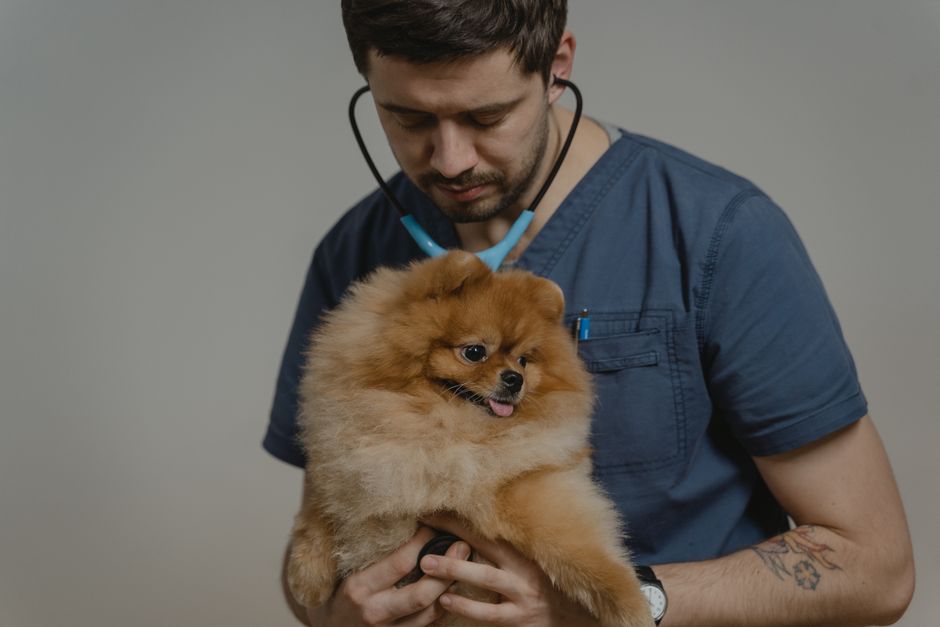
Summer Pet Health Tips for Virginia Beach Families
As the sun shines brighter and temperatures climb in Virginia Beach, pet owners are eager to spend more time outdoors with their dogs and cats. While summer brings beach days, backyard barbecues, and family adventures, it also introduces health risks for pets that can quickly turn a fun outing into an emergency if not managed properly. At Hilltop Veterinary Clinic, located at 1801 Laskin Rd., Virginia Beach, VA 23454, we want to help your pets enjoy the summer safely and comfortably. In this guide, you’ll learn how to recognize heat-related problems, prevent seasonal threats like bug bites and sunburn, and keep your pets healthy throughout the hottest months. Whether you live in Virginia Beach or one of the surrounding communities like Great Neck, Shore Drive, or Oceanfront, our team of veterinarians is here to support your pet’s well-being all season long.
Recognizing Summer Health Issues in Dogs and Cats
Understanding the warning signs of summer health problems is the first step in protecting your pet. Hot and humid weather can lead to dangerous conditions, especially for pets that love to play outside or those with special health needs.
Heat Exhaustion and Heatstroke
Key symptoms of overheating in dogs and cats include excessive panting, drooling, difficulty breathing, weakness, confusion, vomiting, and collapse. Some pets may also develop a bright red tongue or gums, while others become lethargic and uninterested in their usual activities. Flat-faced breeds, seniors, and overweight pets are especially at risk. If your dog is panting more than usual or seems distressed, review when to see a vet for dog panting for guidance.
Bug Bites, Stings, and Seasonal Allergies
Virginia Beach summers bring mosquitoes, fleas, ticks, and biting flies. Signs your pet may be suffering from bug bites or allergies include itching, scratching, licking, skin redness, and hair loss. Cats and dogs can also develop hives or swelling after bee stings or severe allergic reactions. If you notice persistent scratching, check out what to do if your dog is itching or what to do if your cat is itching for more information.
Dehydration
Warning signs of dehydration in pets are dry or sticky gums, sunken eyes, loss of skin elasticity, and increased heart rate. Dehydration often goes hand in hand with overheating and can quickly become serious if not addressed.
Sunburn and Hot Pavement Burns
Some pets, especially those with light-colored or thin coats, may develop sunburn on their nose, ears, and belly. Additionally, walking on hot pavement can cause painful burns to your pet’s paw pads. If your pet is limping, licking their paws, or refusing to walk, consider whether hot surfaces may be the cause.
Why Summer Poses Extra Risks for Pets in Virginia Beach
Virginia Beach’s summer climate is known for its high heat and humidity, which can make it challenging for pets to regulate their body temperature. Unlike people, dogs and cats primarily cool themselves by panting and a small amount of sweating through their paws. This makes them much more susceptible to overheating, especially when the air is humid and heat dissipates less efficiently.
Outdoor activities are more common in summer, increasing your pet’s exposure to hazards. Walks on hot sidewalks, car rides, park visits, and time at the beach all come with potential dangers. Even a quick errand can be risky if a pet is left alone in a parked car, where temperatures rise rapidly.
The warm, moist environment also creates ideal breeding grounds for mosquitoes and other parasites. Heartworm disease, spread by mosquitoes, is a year-round concern in Virginia Beach but becomes more pronounced in the summer. Fleas and ticks thrive during these months, potentially transmitting diseases or causing allergic reactions.
Finally, the increased use of fertilizers, pesticides, and yard chemicals during summer can be harmful if ingested or contacted by pets. Always supervise your pet around treated lawns and gardens.
Treatment and Management: How Hilltop Veterinary Clinic Can Help
When summer health issues arise, timely veterinary care is essential. At Hilltop Veterinary Clinic, our veterinarians are equipped to diagnose and treat a wide range of conditions that commonly affect pets during the warmer months.
Treating Heat-Related Illnesses
If your pet is showing symptoms of heat exhaustion or heatstroke, immediate veterinary attention is required. Treatment involves gradually cooling your pet, providing intravenous fluids, and monitoring for complications such as organ damage. Our team uses advanced diagnostics to assess your pet’s condition and will tailor care to their specific needs.
Managing Bug Bites, Allergies, and Skin Problems
For pets suffering from bug bites, allergic reactions, or skin infections, our veterinarians may recommend antihistamines, topical treatments, or medicated baths. Severe reactions may require injections or oral medications. We also offer advice on parasite prevention, including year-round heartworm, flea, and tick control.
Addressing Dehydration and Other Emergencies
Dehydrated pets are treated with fluids, either given intravenously or under the skin, depending on severity. The underlying cause, such as vomiting, diarrhea, or heatstroke, is also addressed as part of a comprehensive treatment plan.
Paw and Skin Care
For burns caused by hot pavement or sun exposure, our clinic provides wound management, pain relief, and recommendations for safe outdoor activity. We may suggest protective paw wax or booties for dogs that frequently walk on hot surfaces.
To ensure your pet’s overall health, we recommend regular physical exams for preventive care and encourage you to keep your pet’s vaccinations up to date with our pet vaccination services.
Home Prevention: Keeping Pets Cool, Comfortable, and Safe All Summer
While professional care is crucial for emergencies, there is much you can do at home to keep your pet healthy all summer long.
Provide Ample Water and Shade
Always ensure your pet has access to fresh, cool water both indoors and outside. In the yard or at the park, set up shaded areas using umbrellas, trees, or canopies. At home, keep water bowls clean and refill them frequently, as pets tend to drink more in the heat.
Limit Outdoor Activity During Peak Heat
The hottest part of the day in Virginia Beach is usually between 10 a.m. and 4 p.m. Plan walks and playtime for early morning or evening when temperatures are lower. Keep walks short on especially hot days and watch your pet for signs of fatigue.
Never Leave Pets in Parked Cars
Even with windows cracked, temperatures inside a car can soar to dangerous levels in minutes. Leaving your pet in a parked car is never safe during the summer.
Protect Against Parasites
Use veterinarian-recommended heartworm, flea, and tick preventives year-round. If you need a convenient source for these products, visit our online pharmacy for pet medications and preventives.
Watch for Hazards on Walks
Test pavement with your hand before walking your dog; if it’s too hot for your hand, it’s too hot for their paws. Seek grassy, shaded routes and consider protective booties for sensitive pets.
Sunscreen and Skin Protection
Talk to our veterinarians about pet-safe sunscreen for areas prone to sunburn, such as the nose, ears, and belly. Never use human sunscreen, as some ingredients can be toxic to pets.
Keep Up with Preventive Care
Routine wellness visits help catch health issues early and keep vaccinations, parasite prevention, and dental care on track. Learn more about our wellness exam services for dogs and cats to see how regular checkups can benefit your pet year-round.
When to Contact Hilltop Veterinary Clinic
If your pet shows any signs of heat exhaustion, heatstroke, severe allergic reactions, or dehydration, contact our team immediately. Symptoms that require prompt veterinary attention include persistent vomiting or diarrhea, difficulty breathing, collapse, seizures, or unresponsiveness. For skin issues that don’t improve with home care, excessive scratching, or any sudden changes in behavior, schedule an appointment for a comprehensive evaluation.
Our veterinarians are experienced in managing summer health concerns and will work with you to develop the best plan for your pet. If you are ever unsure whether your pet’s symptoms warrant a visit, it is always safer to err on the side of caution and reach out for advice.
Keeping Your Pet Happy and Healthy All Summer
Summer in Virginia Beach is a wonderful time for pets and their families to make memories together, but it requires a little extra vigilance to keep your dog or cat safe. By recognizing the signs of trouble, understanding local risks, and following practical prevention tips, you can help your pet enjoy the season to the fullest.
If you have questions about your pet’s summer health or need to schedule a checkup, the veterinary team at Hilltop Veterinary Clinic is here to help. We welcome families from Virginia Beach and surrounding communities and are committed to providing compassionate, comprehensive care for your pets.
To book an appointment or speak with one of our veterinarians, call (757) 426-4698 or visit us at 1801 Laskin Rd., Virginia Beach, VA 23454. When searching for a vet near me, trust the local expertise and dedication of our team at Hilltop Veterinary Clinic. Let’s work together to ensure a safe, happy, and healthy summer for your pets.
For more resources or to explore all the veterinary services we offer, visit our services overview page.
This blog is intended for informational purposes only and does not replace professional veterinary care. If you have specific concerns about your pet’s health, please contact our clinic for guidance.